SOFT, SUSTAINABLE, AND ETHICAL PIECES,
DESIGNED WITH RESPECT
At BellePaga, we place people, nature, and respect at the heart of everything we do.
Creating natural, sustainable, and authentic products isn’t just a trend for us—it’s a given. And there’s a specific reason for that.
BellePaga was born from the meeting of two Belgian friends, Arnaud and Guillaume. One grew up in Bolivia, in the heart of the Andean landscapes, surrounded by alpacas. The other grew up in Belgium, facing the cold and constantly seeking comfort.
From this meeting came a simple conviction: an exceptional fiber cannot be produced at the expense of those who make it, the animals that provide it, or the land that sustains them.
Discover exactly what we’re committed to, at every step of the way.
RESPECT FOR ARTISANS
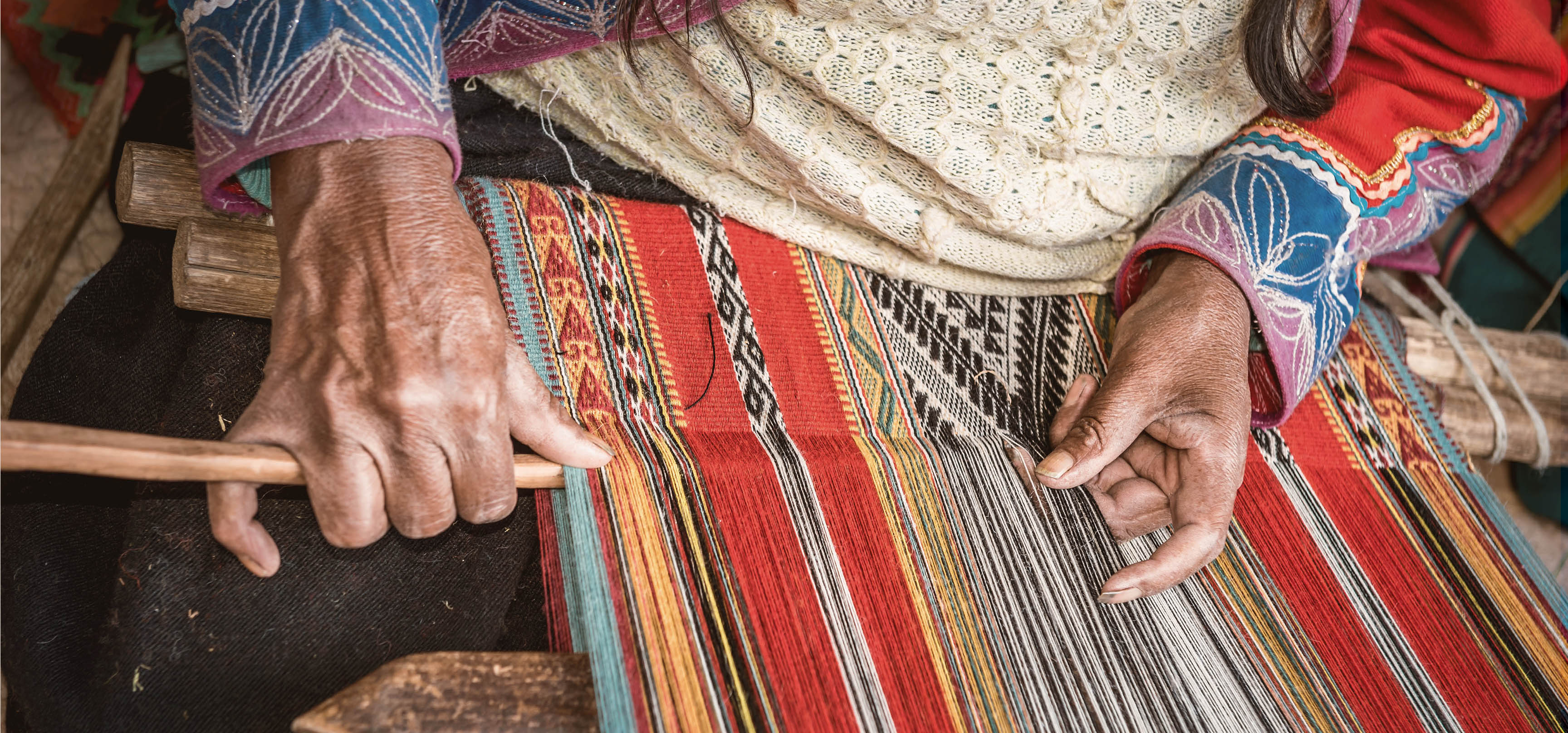
We collaborate with local producers and artisans in regions renowned for their traditional craftsmanship—primarily in South America, and in Provence for our lavender accessories.
In these regions, the sale of their products is essential to the sustainability of their businesses. We work with small-scale workshops whose teams have mastered the art of weaving alpaca fiber for generations.
This approach isn’t the fastest or the most cost-effective. It’s the one that guarantees the quality of our pieces and the continuity of a craft. We ensure:
- fair compensation at every stage of production.
- respectful working conditions.
- a relationship based on trust, dialogue, and transparency.
- consistent order volumes, which allow our partners to plan ahead.
EXPERTISE
Each piece is crafted or finished by hand, using techniques passed down from generation to generation. Weaving with alpaca requires a special skill: the fiber is fine, slippery, and does not tolerate carelessness. It is a craft that cannot be improvised or performed mechanically.
This fiber also has a long history.
Once reserved for the Inca emperors, it was considered more precious than gold—it is still known today as “the wool of the gods.” We aim to make it accessible, without compromising the high standards that have defined it for centuries.
Designing our pieces remains a collaborative effort spanning two continents. The designs are conceived in Brussels, and the garments are crafted in Peru, drawing on local expertise. We do not outsource production; instead, we seek out craftsmanship wherever it exists.
RESPECT FOR ANIMALS
Animal welfare is essential to us, and it sets the stage for everything else.
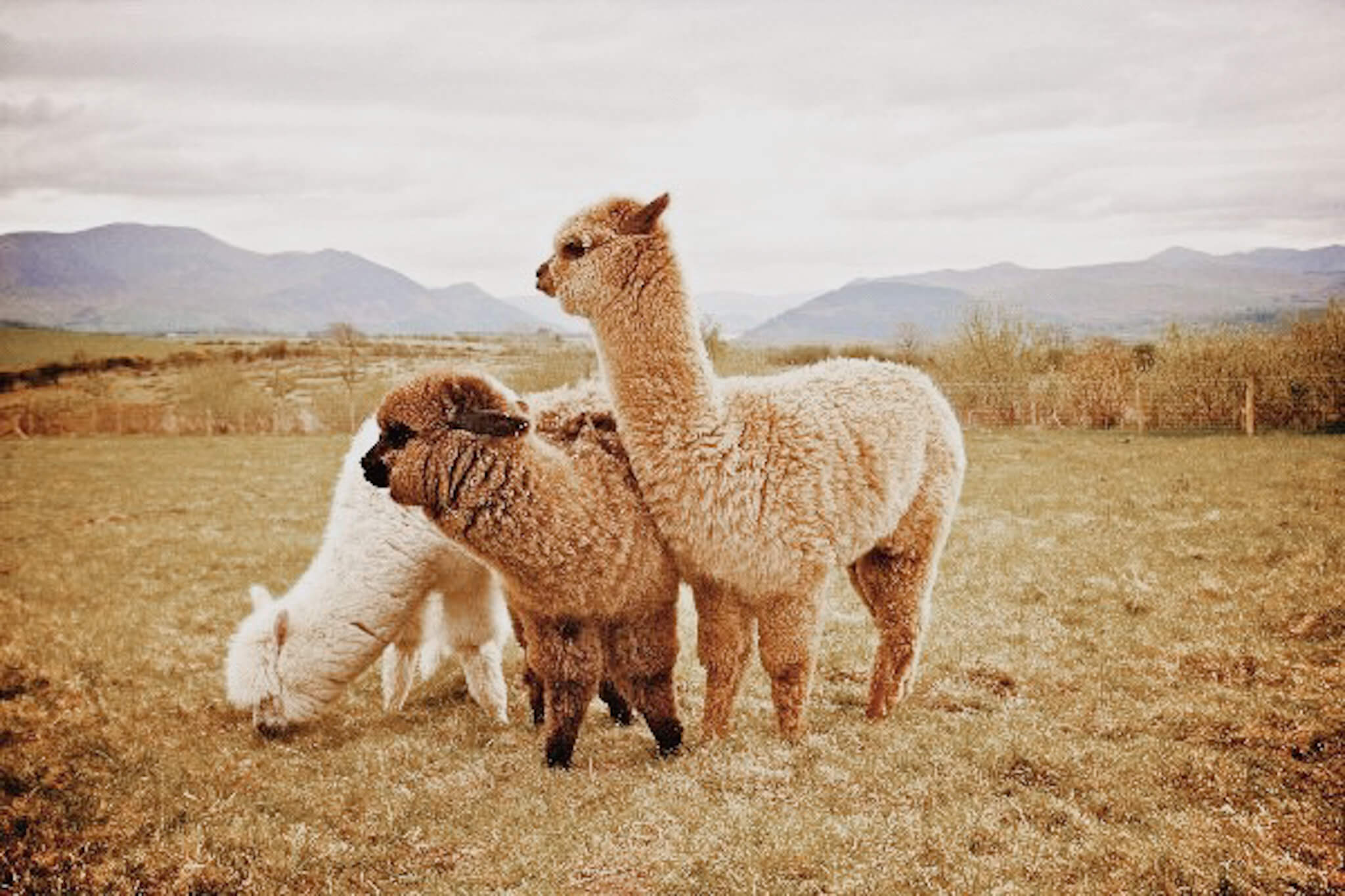
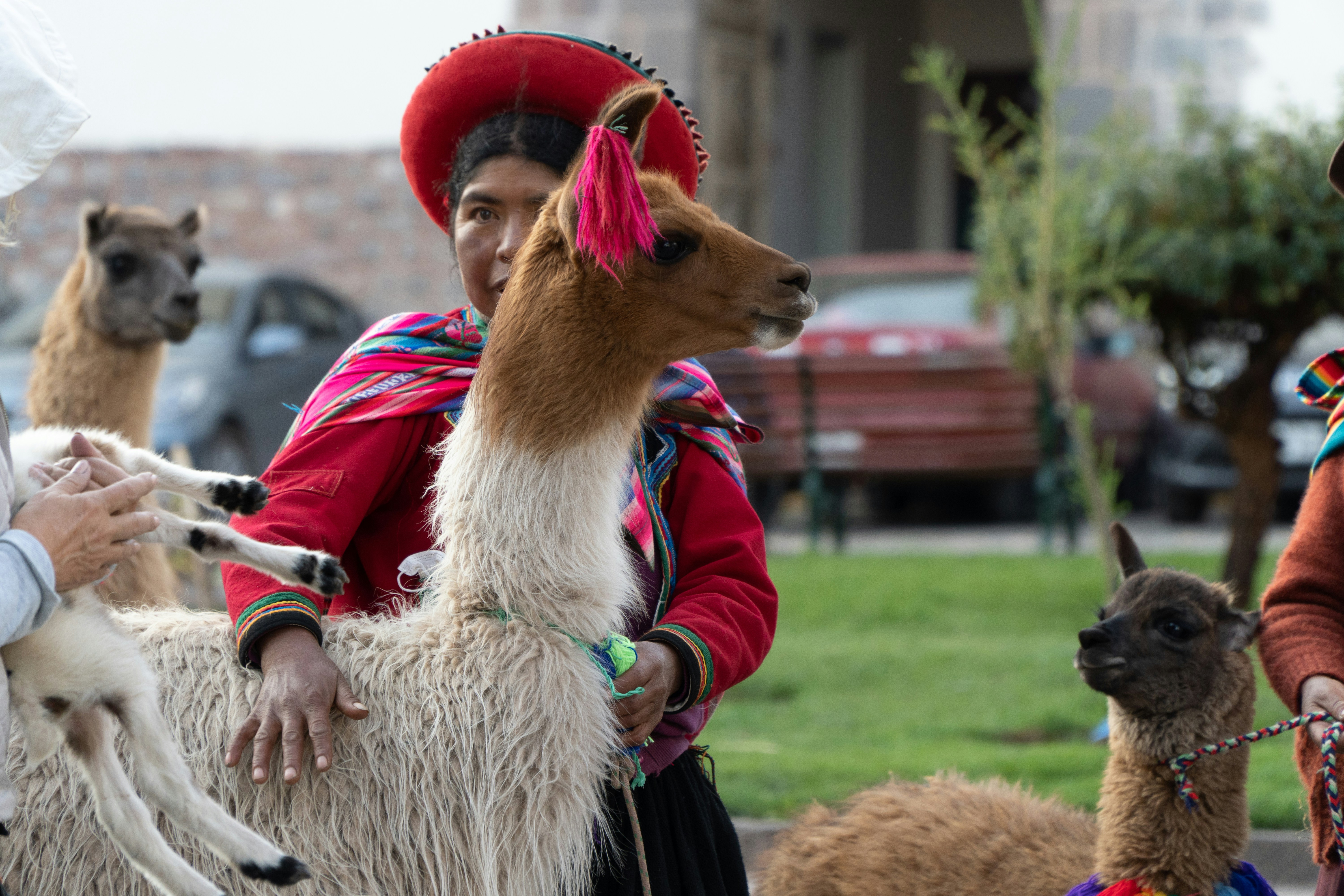
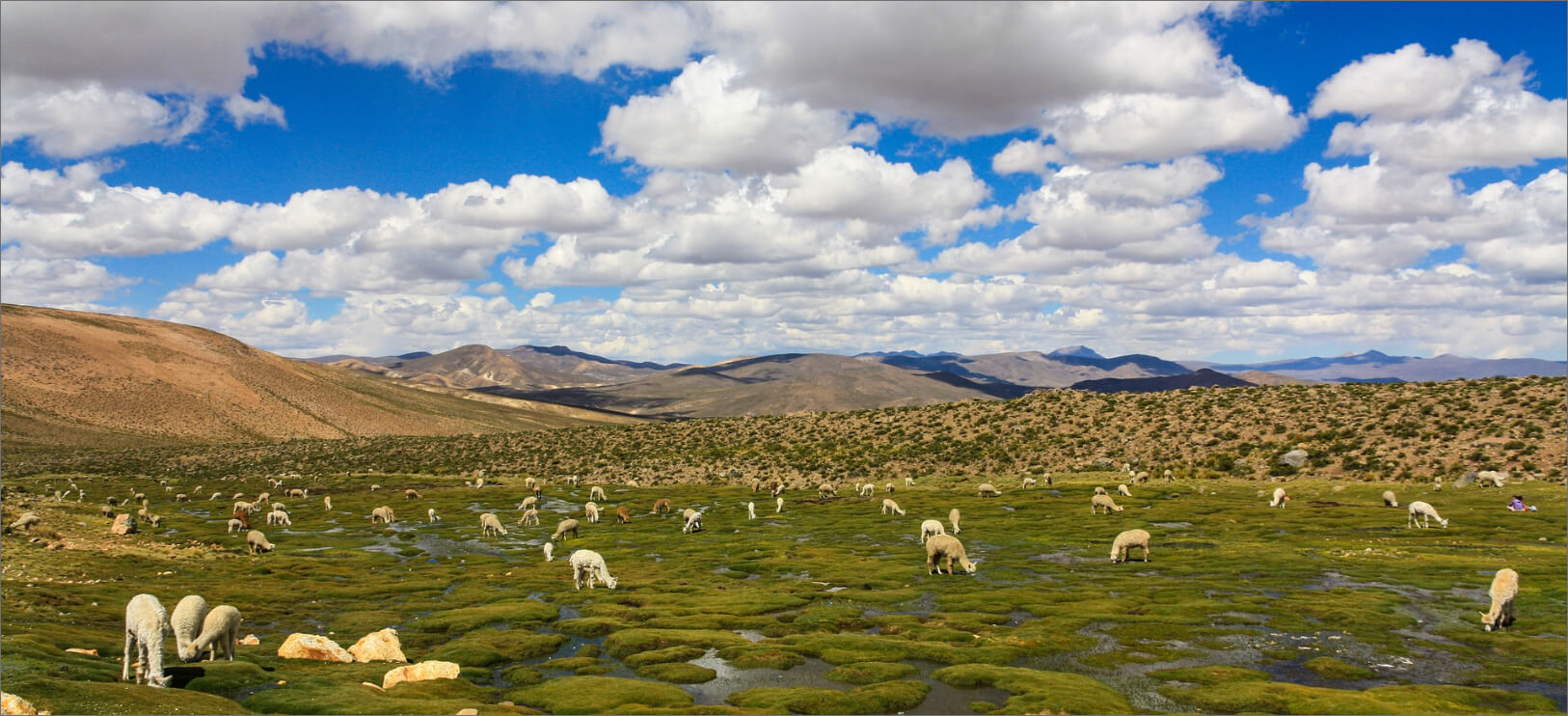
The alpacas from which our fiber comes live freely in their natural habitat, on the high plateaus of the Andes Mountains, at altitudes of up to nearly 4,900 meters.
No fences, no pens. There, they endure temperature swings that can range from −20 to +30 °C in a single day—it is precisely this challenge that has led them to develop a unique thermoregulatory fleece. Their wool is harvested once a year, during the spring shearing season, between April and June.
This shearing is not an extraction: it is a necessary step for their health and comfort. Without it, the animals would suffer from the first heat waves.
The annual frequency also allows the fiber time to regenerate, since it grows back only one centimeter per month. Shearing is performed by experienced breeders, with respect for the animals and at the time most conducive to their well-being.
We are proud to be part of the Alpaca del Perú label, which guarantees the origin of the fiber and the conditions under which our items are crafted by Peruvian artisans.
RESPECT FOR THE ENVIRONMENT
We have chosen to work with a natural fiber that has a low environmental impact.
There are several reasons for this choice. The fiber itself.
Alpaca wool is:
NATURALLY AVAILABLE IN A WIDE RANGE OF SHADES
NO CHEMICAL TREATMENT
BIODEGRADABLE, SUSTAINABLE, AND GENTLE ON THE SKIN
Yield. An alpaca produces up to 3 kg of wool per annual shearing, while a cashmere goat produces about 150 g.
For an equivalent amount of material, wool production therefore requires far fewer animals, less land, and less water. Care. An alpaca garment rarely needs to be washed.
The fiber is naturally odor-resistant and does not need to be machine-washed after every wear. Over the lifetime of a garment, this results in a significant reduction in water, energy, and detergent use.
We also prioritize sustainable packaging and continue to work on reducing its environmental impact.
RESPECT FOR THE FIBER
Choosing alpaca isn’t an aesthetic choice—it’s a choice of material.
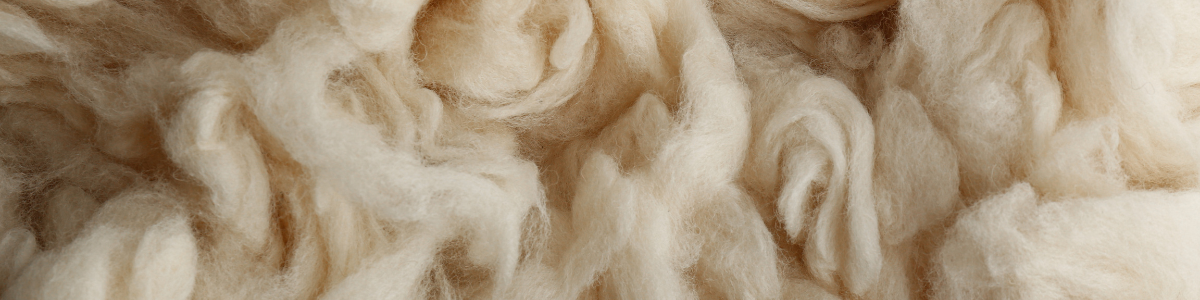
We primarily work with baby alpaca fiber, one of the finest types of alpaca fiber, ranging from 18 to 22 microns. It is harvested, sorted, and washed on-site in Peru.
Its properties are exceptional:
Thermoregulatory — it retains heat when it’s cold and remains breathable when it’s hot.
Hypoallergenic — alpaca is the only wool that does not contain lanolin, making it suitable for sensitive skin.
Insulating — up to seven times warmer than sheep’s wool, for the same weight.
Durable — four times stronger than sheep’s wool, it pills very little and stands up to the test of time.
Lightweight and soft — it doesn’t itch and is weightless.
Respecting the fiber also means not altering it: no unnecessary blends, no treatments that compromise its natural qualities.
EXPLORE OUR COLLECTIONS
Wear the softness of the Andes, designed to last for seasons


LEARN MORE